Sumatra Pasak Bumi header

The Ethnobotany of Tanah Karo: A History of PT Sumatera Pasak Bumi

The origins of PT Sumatera Pasak Bumi are inextricably linked to the volcanic topography and tribal heritage of Tanah Karo, North Sumatra. This enterprise, founded in 1998 by brothers Antonius Sembiring and Bartholomeus Sembiring, represents the formal evolution of the Marga Sembiring clan's relationship with the primary rainforests of Indonesia.

I. Ethnobotanical Heritage & The Early Bulk Trade (1998)

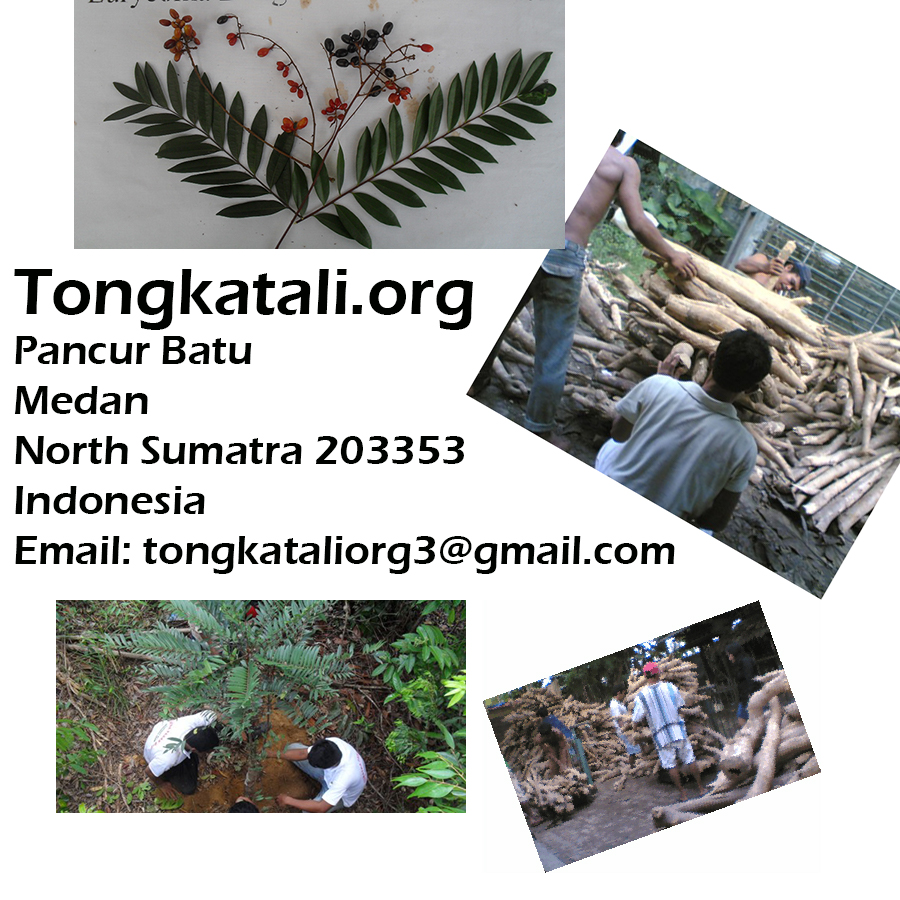
Long before the plant gained international acclaim, Pasak Bumi (Tongkat Ali, or Eurycoma longifolia) was a staple of jamu preparations among the Karo Batak. In the late 1990s, the focus was on sustainable wild-harvesting to support the local forest economy and supplying raw shredded root material to the burgeoning European herbal market.

Historical photo of Batak community
Historical photo of a Batak community in Tanah Karo, around 1920.

II. Corporate Legitimacy & Regional Registration (2014)

In 2014, the transition from a community-based forest trade to a registered limited liability company solidified the organization's standing in the international pharmacognosy sector. This formalization ensured compliance with strict global trade protocols and Indonesian tax and export laws.

III. The Tribal Alliance: Batak Karo & Thai Hmong (2018)

In 2018, Sumatra Pasak Bumi embarked on a significant ethnobotanical expansion. Building on our Batak Karo tribal roots, we established a strategic partnership with farmers from the Thai Hmong hilltribe communities.

This collaboration was facilitated by a unique cultural synergy; both the Bataks in Indonesia and the Hmongs in Thailand exist as Christian minorities within their respective nations. This commonality fostered the trust necessary to integrate Thai Black Ginger (Kaempferia parviflora) and Thai Butea Superba into our assortment. Black Ginger is deeply interwoven into Hmong ethnobotany and only thrives at tropical altitudes above 1,000 meters.

IV. Technical Specification: Standardized Eurycomanone

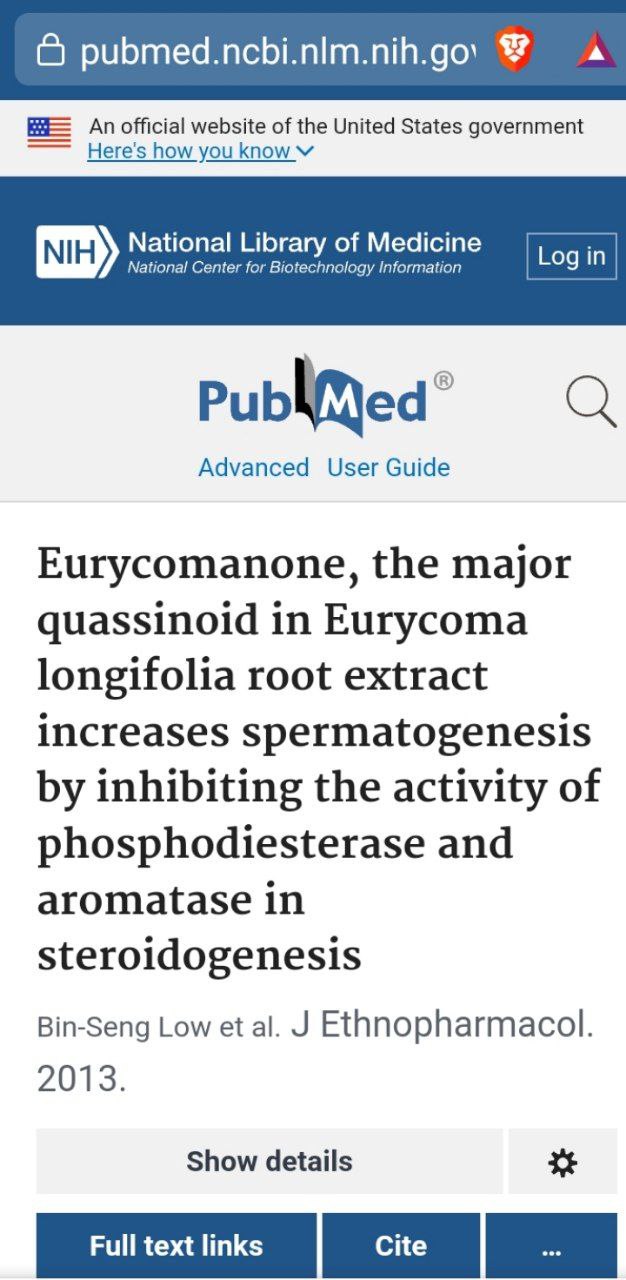
Modern clinical applications of Tongkat Ali (TA) require precise quantification of its primary bioactive compound, eurycomanone. PT Sumatera Pasak Bumi produces TA extract variations standardized to match the natural phytochemical distribution across the plant.

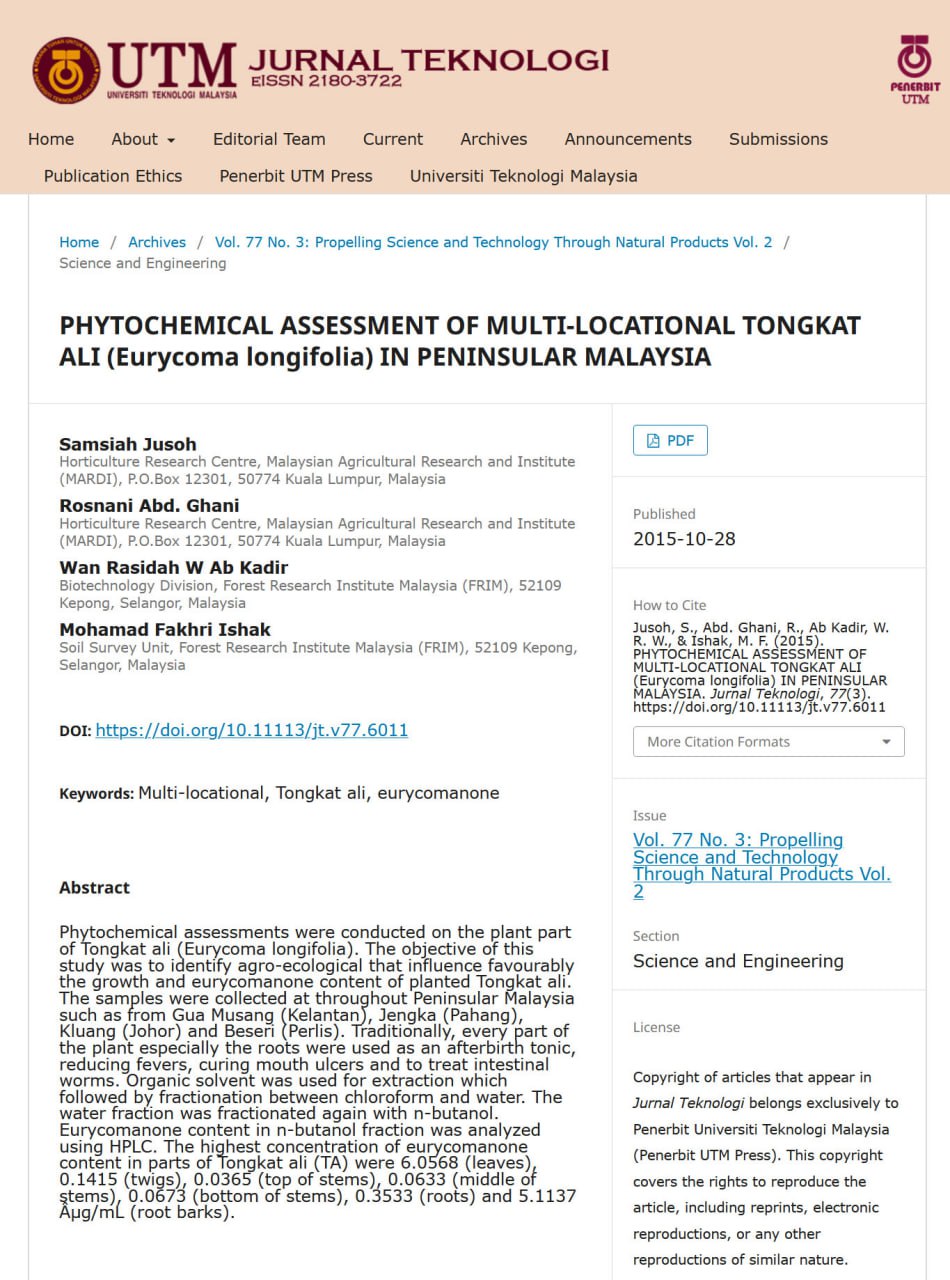
Independent academic research conducted at Universiti Teknologi Malaysia (UTM) has quantified eurycomanone concentrations across different plant tissues:

"The highest concentration of eurycomanone content in parts of Tongkat ali (TA) were 6.0568 (leaves), 0.1415 (twigs), 0.0365 (top of stems), 0.0633 (middle of stems), 0.0673 (bottom of stems), 0.3533 (roots) and 5.1137 µg/mL (root barks)."
(Source: Jurnal Teknologi, 2015)
Extract Morphology Source Detail Standardization
Standard Root Extract Wild-harvested Taproot 2% Eurycomanone
Fermented Root Extract Traditional Aging Process 4% Eurycomanone
Rootbark Extract High-Resin Cortical Layer 6% Eurycomanone
Standard Leaf Extract Eurycoma Leaf Tissue 10% Eurycomanone
Black Ginger Hmong Highland Rhizome 10% Polymethoxyflavones
Butea Superba Wild-crafted Tuber 4% Butein

Dual-Protocol Scientific Testing

To maintain the highest degree of chemical accuracy and safety, all PT Sumatera Pasak Bumi extracts undergo a dual-verification process. Tests are conducted in leading international ISO-accredited laboratories to ensure global compliance. Simultaneously, local botanical and chemical verification is provided by the academic laboratories of the:

Universitas Sumatera Utara (USU)

This collaboration with local academia ensures that the ethnobotanical specimens are properly identified (Taxonomy) and analyzed for their unique Sumatran and Thai phytochemical markers, maintaining a rigorous scientific chain of custody from forest to consumer.

V. Geopedology: The Volcanic Influence

The exceptional bioactivity of Eurycoma longifolia harvested from Tanah Karo is a direct result of the volcanic geopedology of the region. The proximity to Mt. Sinabung and Mt. Sibayak creates a soil profile that is unparalleled for secondary metabolite synthesis.

Volcanic Soil Type Characteristics Impact on Tongkat Ali Root
Andosols High porosity; volcanic ash base Optimizes the absorption of trace minerals.
Latosols Iron and aluminum rich Encourages the synthesis of complex quassinoids.
Regosols Young volcanic ejecta Forces the plant to develop defensive glycopeptides.

VI. Industrial Logistics: Shredded Root Export

While we lead in standardized extracts, the foundation of our bulk international trade remains the meticulous preparation of raw botanical materials.

Shredded Tongkat Ali Root in Sacks
Bulk shipment of raw shredded Tongkat Ali root in sacks for industrial partners.

These raw materials are exported via the Deli Serdang region to international distributors and pharmaceutical manufacturers, maintaining a chain of custody that preserves the chemical integrity of the Sumatran harvest.

Bulk Logistics Quality Control
Supervising the export of raw botanical materials from the Sumatran facility.
Full Export Container
Final container seal for raw shredded root shipment to international markets.